Office Relocation Services in Soho
If you are planning a move and need reliable Office Relocation Services in Soho, you are probably already aware that this part of central London comes with its own set of challenges. Narrow streets, busy foot traffic, tight loading windows, mixed-use buildings, managed office spaces, and access restrictions can make even a small relocation feel complicated. That is why working with a local team that understands the area can save time, reduce disruption, and make the whole process far more manageable.
Soho is home to a diverse mix of businesses. Creative studios, production offices, hospitality teams, professional services, agencies, and independent brands all operate here, often from upper floors, shared premises, or historic buildings with limited access. Whether you are moving a small office suite, an entire floor, or a hybrid team setup, the right relocation service should be organised around your building, schedule, and business needs. Office moving in Soho is rarely a one-size-fits-all task.
This page is designed for local customers looking for a practical, trustworthy service that understands how Soho really works. If you need help planning, packing, lifting, transporting, and setting up your workspace again with as little downtime as possible, contact us today to discuss your move and request a free quote.
Local office moves planned around Soho’s busy streets

Relocating a business in Soho requires more than just a van and a few boxes. Buildings here often sit on busy roads such as Wardour Street, Dean Street, Frith Street, Greek Street, Old Compton Street, and surrounding lanes where loading access can be tight and timing matters. Businesses may need to move before opening hours, after closing time, or during carefully scheduled windows to avoid interrupting operations or conflicting with building management rules.
A local relocation team helps you navigate these practical concerns from the beginning. That includes checking access points, stairways, lifts, loading bays, and any restrictions that may affect the moving day. For many Soho offices, the real challenge is not distance — it is coordination. We help make sure your move is arranged in a way that fits your building, your staff, and your timeline.
When customers look for Soho office relocation services, they often need a service that can handle both speed and care. The area’s buildings may include modern office suites, converted townhouses, creative spaces above retail units, and shared workspaces with specific move-in rules. A well-planned relocation reduces the risk of delays, damage, and unnecessary stress.
Who our office relocation service is for
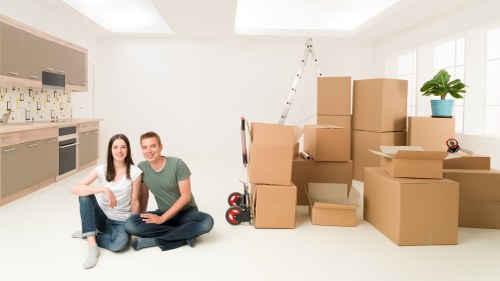
Our service is suitable for a wide range of local customers. Soho businesses vary greatly in size and sector, so the way a move is managed should reflect the type of organisation involved. A small agency with ten desks will have very different needs from a hospitality office, production team, or professional practice occupying several rooms across multiple floors.
We commonly support:
- Small and medium-sized offices relocating within Soho or nearby central London areas
- Creative agencies moving equipment, furniture, and archived materials
- Start-ups upgrading to larger premises
- Established companies moving between managed offices or serviced workspaces
- Residential customers with home offices, studios, or hybrid work setups
- Businesses consolidating from multiple locations into one central site
Some moves are straightforward, but many involve fragile equipment, confidential paperwork, IT hardware, specialist furniture, or bulky items that need careful handling. For that reason, our office removals approach is tailored to the contents, layout, and pace of the move rather than assuming every business will need the same plan.
What is included in office relocation services

A professional office relocation service should cover the practical parts of the move so your team can stay focused on work. The exact service can vary depending on your requirements, but a well-organised relocation usually includes a combination of planning, packing support, lifting, transport, and placement at the destination.
Typical services may include:
- Initial move planning and site assessment
- Packing of office contents, files, and non-sensitive items
- Disassembly and reassembly of desks, chairs, shelving, and workstations
- Safe handling of computers, monitors, printers, and other office equipment
- Transport between Soho and nearby London locations
- Loading and unloading support
- Placement of furniture and boxes in the correct rooms or zones
- Assistance with fragile, bulky, or awkward items
For businesses that need extra help, it can also be useful to arrange labelled packing systems, floor-by-floor deliveries, or phased moves that keep part of the office functioning while the relocation is completed. This is especially helpful for businesses that cannot afford to shut down for an entire day.
Many local customers want a move that is as close to “business as usual†as possible. That is why a good office relocation company should be able to adapt to your preferred level of support — from a basic transport-only service to a fully managed relocation.
Why Soho businesses benefit from a local relocation team
Choosing a local company for office relocation in Soho offers practical advantages. Soho’s roads are busy and often constrained, which means timing, route planning, and vehicle access all matter. A local team is more likely to understand where loading is easier, how building access works, and how to avoid the most common moving-day problems.
Local experience is also valuable because Soho has a mix of building types. Some offices are in older properties with narrow staircases or limited lift access. Others are in modern developments with concierge systems and building management procedures. A team familiar with central London office moves can adapt to these conditions more efficiently than a team that treats every move the same.
Another important factor is flexibility. Soho businesses often work to non-standard schedules, especially in the creative, media, and hospitality sectors. A local relocation provider can better accommodate early starts, out-of-hours moves, or carefully staged transitions that reduce disruption for staff and clients.
Local knowledge helps with:
- Busy loading times and restricted access
- Short notice schedule changes
- Building entry procedures
- Parking and stopping limitations
- Fast response for last-minute adjustments
How an office move in Soho usually works
Every business move is slightly different, but most office relocations follow a clear process. When that process is handled well, the move becomes far more predictable and less disruptive. Below is an outline of how a typical relocation is organised.
1. Initial enquiry and move discussion
The process begins with understanding what you need to move, where you are moving from, and what kind of access is available at both locations. This stage helps identify the scale of the job, the type of equipment involved, and whether any special handling is required. If you are planning an office move in Soho, this is also the point where timing and building restrictions should be discussed.
2. Site review and move planning
Once the basics are clear, the move can be planned in more detail. This may involve reviewing layouts, noting fragile items, deciding what should be packed by staff and what should be handled by the relocation team, and planning how furniture will be loaded and placed. A good plan reduces confusion on the day.
3. Packing and preparation
Some companies prefer to pack themselves, while others want help with boxing, labelling, and wrapping. Office packing often needs to be methodical, especially where files, electronics, and personal work items are involved. Clear labelling is especially useful in shared offices or when several departments are being moved at once.
4. Moving day transport and delivery
On moving day, the team loads everything securely, transports it carefully, and unloads it at the new premises according to your plan. Items can be placed in the correct rooms or zones to make unpacking easier. For Soho relocations, keeping the move organised and efficient is particularly important because access may be limited and the environment can be busy.
5. Set-up and final placement
After delivery, furniture may need reassembly, and boxes may need to be positioned where your team can access them quickly. Some businesses want a simple drop-off, while others want their new office arranged to a specific layout. The best service is the one that matches your preferred level of support.
Preparation checklist for a smooth office relocation

Preparation makes a major difference to the success of an office move. Even if you are using a professional relocation team, there are sensible steps your business can take to keep everything organised. A short checklist can save a lot of time and help prevent missing items or confusion at the new location.
Useful preparation steps include:
- Confirm the move date and any access windows with building management
- Identify items that need special handling, such as servers, artwork, or sensitive files
- Back up data before any IT equipment is moved
- Label boxes by department, desk, or room
- Decide which items will be moved, recycled, or left behind
- Notify staff about packing deadlines and moving-day instructions
- Measure key furniture and doorways to check fit at the new premises
- Set aside essential items needed for the first day in the new office
It is also a good idea to think about the order in which your team will need items once you arrive. For example, printers, essential documents, monitors, and meeting-room furniture may need to be prioritised before less urgent storage items. Planning around that order can make the first day in the new office much easier.
Tip: If your office is in a managed building or shared workspace, ask early about lift bookings, concierge requirements, and any rules on move times. These details can affect the schedule more than many customers expect.
Access, parking, and building challenges in Soho
One reason customers choose office relocation services in Soho is that a local team understands the area’s access challenges. Soho is not a district where you can assume easy parking or wide kerbside loading. Streets are often narrow, traffic can be heavy, and some buildings have restricted access that requires careful planning ahead of time.
Parking limitations can affect how quickly a move can be completed. If a van cannot stop nearby, the team may need to carry items further, use smaller vehicles, or coordinate timing more carefully. Buildings with internal courtyards, upper-floor entrances, or shared access points may also need additional preparation.
Common issues that can affect a Soho office move include:
- Limited loading opportunities on busy streets
- Restricted lift access or small lift sizes
- Narrow staircases in older properties
- Timed access rules in managed buildings
- Pedestrian-heavy areas that require extra care when moving equipment
These challenges do not mean the move has to be difficult. They simply mean it should be planned by people who are used to central London conditions and can adjust the method to suit the location.
Moving different types of office contents
Offices contain more than desks and chairs. They often include specialist items that need different handling depending on size, weight, fragility, and value. A good relocation service should recognise that not every box is the same and not every piece of equipment can be moved in the same way.
Furniture and workstation equipment
Desks, conference tables, office chairs, storage units, and modular furniture may need to be dismantled before transport and rebuilt at the destination. This is especially common when fitting furniture through tight staircases or into compact Soho premises.
IT and electronic equipment
Computers, monitors, routers, printers, and accessories often need careful packing and clear labelling. Businesses usually want to minimise downtime, so an efficient office move should protect this equipment while helping it return to use quickly at the new site.
Documents and archives
Paper records still matter for many firms, particularly in finance, legal services, administration, and production. File boxes should be organised carefully to reduce confusion and help teams find what they need immediately after the move.
Specialist or fragile items
Some Soho businesses rely on items such as samples, artwork, display materials, client presentation pieces, or audio-visual equipment. These items often need extra padding, protective wrapping, or specific loading order to avoid damage.
Pricing factors for office relocation in Soho
Customers often want to know what affects the cost of an office move. While exact pricing depends on the details of the job, there are several factors that usually influence the overall quote. Understanding these helps you plan more confidently and compare moving options fairly.
Key pricing factors include:
- The size of the office and quantity of items being moved
- Distance between the old and new premises
- Whether packing and unpacking are included
- How much dismantling and reassembly is needed
- Access conditions at both addresses
- Any requirement for out-of-hours or weekend moving
- The need for specialist handling or additional labour
- Parking, waiting time, or building-related restrictions
Soho moves can sometimes take longer than expected because of central London access conditions, so it is important to provide accurate details when asking for a quote. The more information you can share at the start, the easier it is to plan the right team and equipment for the job.
Request a free quote when you are ready. A clear discussion at the outset can help avoid surprises later and make sure the service matches the scale of your move.
Why businesses stay local when moving within central London
Many Soho customers are not moving far at all. They may be relocating to nearby areas such as Fitzrovia, Covent Garden, Mayfair, Marylebone, St James’s, Chinatown, Piccadilly Circus, or the West End. Even when the new office is only a short distance away, the move can still be complex because central London buildings often have access rules and time restrictions.
Staying local can be an advantage. A nearby move is often easier to stage, easier to inspect in advance, and easier to manage if something changes on the day. It can also reduce travel time for staff who need to help pack or supervise the handover.
Local office relocation is especially useful if you are:
- Moving within Soho from one floor to another
- Changing from a serviced office to a private premises
- Combining two smaller workspaces into one central unit
- Upgrading to a new office in a neighbouring district
- Moving a team into a mixed-use building with limited access
For smaller business relocations, the difference between a stressful move and an efficient one often comes down to how well the service is matched to central London conditions.
Support for residential customers with home offices and studios
Although the focus is on office removals, Soho also has many residential customers who work from home or run small creative businesses from apartments, loft spaces, or studio rooms. These moves can involve a mix of personal possessions and work equipment, which means they need a careful, respectful approach.
If you are relocating a home office, it can help to separate business items from household belongings early on. Computer equipment, monitors, filing systems, printers, design materials, and desk furniture may need their own packing method so that work can resume quickly after the move.
For hybrid workers and independent professionals, the aim is often to avoid losing track of cables, accessories, and documents that are easy to misplace during a household move. A relocation service that handles office items as well as general belongings can make the transition simpler and more organised.
Areas covered around Soho
Office relocation customers in Soho often need moves within the area or to nearby central London districts. Because business activity in this part of the city is so interconnected, it is useful to have a service that can manage short-distance relocations as well as broader central London transfers.
Typical nearby areas covered include:
- Fitzrovia
- Covent Garden
- Mayfair
- Marylebone
- St James’s
- Chinatown
- Piccadilly Circus
- Oxford Circus
- Bloomsbury
- Westminster and surrounding parts of central London
If your new office is outside Soho but still within central London, the move can usually be planned in a similar way. The key factors remain access, timing, parking, and how quickly your team needs to be operational again.
Frequently asked questions
How far in advance should I book an office move?
It is best to book as early as possible, especially if you are moving in a busy central London area like Soho or need an out-of-hours slot. Early booking gives more time for planning, packing, and access arrangements.
Can you move us outside normal office hours?
Many businesses prefer early morning, evening, or weekend relocation to reduce disruption. Availability depends on the move details, but flexible scheduling is often helpful for Soho office customers.
Do you help with packing and furniture assembly?
Yes, packing support and furniture dismantling/reassembly are often important parts of an office relocation. This is especially useful for businesses with modular desks, storage systems, or delicate equipment.
What if our building has limited access?
Limited access is common in Soho. A local relocation team can plan around narrow entrances, small lifts, staircases, and timed loading windows to keep the move efficient and safe.
Can you move both office and home office items?
Yes. If you are a hybrid worker, freelancer, or small business owner, your move may involve a mixture of business and personal items. A structured moving service can handle both.
Will our files and equipment be handled carefully?
That should be a priority in any professional office move. Clear labelling, secure packing, and careful loading are all important when handling files, IT equipment, and other sensitive items.
Book your office relocation in Soho
When you are ready to move, the simplest way to keep things on track is to work with a team that understands Soho’s local conditions and business needs. Whether you are relocating a small office, moving to a nearby central London location, or planning a more complex staged move, the right support can make a major difference to how smoothly the transition goes.
From planning and packing to loading, transport, and setup, professional office relocation services are designed to reduce disruption and help your team settle in faster. If you want a move that is organised, practical, and tailored to your premises, contact us today to discuss your requirements.
Book your service now or request a free quote when you are ready to take the next step. A short conversation is often all it takes to start planning a move that works for your business.
Office relocation support that works for Soho businesses
Careful planning, local knowledge, and flexible scheduling are what make a real difference in central London. If your office move is coming up soon, it is worth arranging it with a team that understands the pace and practical realities of Soho.