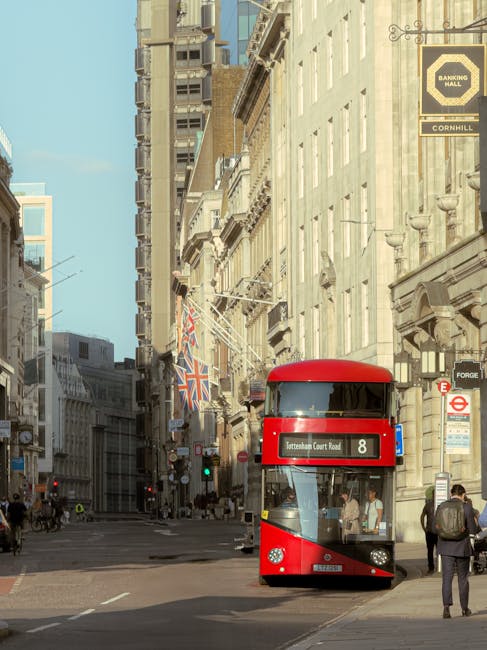
Removal routes near Tottenham Court Road station Soho: a practical guide for smoother moves
If you are planning a move in central London, Removal routes near Tottenham Court Road station Soho are not just a map detail; they are often the difference between a calm moving day and one that feels like a traffic jam with boxes. Around Tottenham Court Road, Oxford Street, Soho's tighter streets, and the busy West End flow, even a short journey can become complicated if you do not think through loading space, timing, access, and vehicle size.
This guide breaks the topic down in plain English. You will see how route planning works, why it matters, who needs it most, and what to check before moving day. I will also cover common mistakes, practical tools, and a realistic step-by-step approach you can actually use. No fluff. Just the sort of detail that saves time, stress, and a few bruised knuckles.
Why Removal routes near Tottenham Court Road station Soho Matters
Tottenham Court Road is one of those London spots where the geography looks simple on paper and then behaves differently in real life. You have the station, major shopping streets, nearby office buildings, restaurant traffic, bus movements, delivery vans, pedestrians, cyclists, and the general stop-start rhythm of the West End. Add a removal van into that mix and things get tight quickly.
Route planning matters because removals are not only about getting from A to B. They are about getting there at the right time, by a route that suits the vehicle, with enough space to load and unload safely, and without making the day harder than it needs to be. In Soho, a badly chosen approach road can mean delays, awkward reversing, blocked access, or a long walk with heavier items than you wanted to carry.
There is also a people side to it. If you are moving a flat, office, student room, or a few pieces of furniture, you usually want the move to feel efficient and tidy. Nobody wants to stand on a pavement in the drizzle, staring at a van circling the block. It happens. More than it should, to be fair.
For that reason, local route thinking sits right at the centre of good removals work. It helps with timing, reduces pressure on the crew, and makes it easier to choose the right vehicle and service level. If you are comparing options, pages like removal services and man and van can help you match the job size to the route conditions rather than just the distance.
How Removal routes near Tottenham Court Road station Soho Works
In practical terms, route planning means working backwards from the property and the vehicle. A good mover looks at the pickup point, the drop-off point, access restrictions, likely traffic pinch points, walking distance from vehicle to doorway, and whether the item list needs more than a simple van load. Sounds straightforward. The reality is a bit more layered.
First, the mover checks where the vehicle can legally and safely stop. Around Tottenham Court Road station and Soho, that often means thinking about loading bays, short-stay access, one-way streets, bus lanes, and roads where stopping is limited or simply impractical. A small vehicle may fit where a larger one would struggle, but smaller is not always easier if the job involves a lot of trips.
Next comes timing. Early mornings can work well because the streets are often calmer, but access to buildings, concierge desks, or lift booking slots may change the plan. Lunchtime can be busier. Late afternoon can be the worst of both worlds: heavier traffic and tired people. If you can build flexibility into the schedule, do it.
Then there is the load itself. A route for a student move is not the same as a route for a family house move or an office relocation. A few boxes and a desk are one thing. A sofa, bed frame, filing cabinets, or a piano changes the picture completely. That is where a service like piano removals or furniture removals becomes relevant, because the route has to suit the item, not just the address.
Finally, the actual handover matters. Even a perfect driving route can fall apart if the loading point is a long way from the entrance or if the lift is out of service. That is why the best route is really a chain of decisions, not a single turn-by-turn instruction.
Key Benefits and Practical Advantages
A well-planned removal route does more than reduce stress. It changes the whole tone of moving day.
- Less waiting around: fewer delays caused by traffic, illegal stopping, or searching for access.
- Lower handling risk: fewer unnecessary lifts, carries, and awkward turns with bulky items.
- Better vehicle choice: the route helps you choose between a smaller van, a larger removal vehicle, or a more flexible setup.
- Smoother building access: especially useful where lifts, loading points, or time slots are involved.
- Lower stress for everyone: the crew, the building staff, and you.
There is also a cost benefit. A clean route often means better use of labour time and fewer surprise complications. That does not always translate into a dramatic saving, but it can make the quote more sensible and the final move more predictable. If you want to see how service scope affects pricing, the page on pricing and quotes is a useful place to start.
One more thing people often miss: good route planning protects the items themselves. A shorter, calmer carry often means fewer knocks on stair railings, fewer doorframe scrapes, and fewer last-minute re-packing moments. You do not notice this much when things go well. You really notice it when they do not.
Who This Is For and When It Makes Sense
This topic is most relevant if your move touches central London access in any meaningful way. That includes residents, office managers, landlords, students, and anyone moving furniture into or out of Soho, Fitzrovia edges, Bloomsbury-adjacent streets, or the Tottenham Court Road area.
It makes particular sense for:
- Flat movers: many buildings have tight hallways, shared entrances, or lift booking rules. Flat removals are often all about access as much as volume.
- Office teams: moving desks, monitors, archive boxes, or IT kit needs route timing and careful handover. Office removals and office relocation services are especially route-sensitive.
- Students: quick, light moves still need a sensible pickup and drop-off plan. Student removals are often simple on paper, but central London can make them tricky.
- Households doing a local move: if you are leaving central London or moving between nearby postcodes, route efficiency really matters. Home moves and house removals benefit from better route planning than people expect.
- People needing same-day support: if timing is tight, route clarity becomes even more important. A reliable same-day removals plan leaves less room for improvisation.
It also makes sense when you are moving awkward or valuable items. A route for a piano, vintage cabinet, or heavy sofa should be chosen with care. That is where a more specialised approach, or even extra equipment, starts to matter.
Step-by-Step Guidance
Here is a practical way to plan removal routes near Tottenham Court Road station Soho without overcomplicating things.
- Confirm both addresses in full. Not just the street name, but building number, floor, lift access, and any entrance instructions.
- List the items honestly. A truthful inventory helps determine whether a van, larger vehicle, or a more tailored removal setup is needed.
- Check access at both ends. Look at kerb space, door width, stairs, lift availability, and any building rules.
- Pick the likely best time window. In central London, a 30-minute shift can matter more than people think.
- Choose the right vehicle size. Bigger is not always better. Too large can mean access problems. Too small can mean more trips.
- Factor in walking distance. If the van cannot stop right outside, the carrying route needs to be short, safe, and realistic.
- Build in a contingency. If the loading point is blocked, where is the next best place to stop?
- Confirm the booking details. Recheck the plan the day before. This sounds basic. It still saves moves.
A good provider will usually discuss these points with you rather than just taking an address and hoping for the best. That is a healthy sign. If you are comparing local removal options, removal companies and removals pages can be useful for understanding the type of support available.
And yes, if you are moving on a weekday morning with a coffee in one hand and a taped-up box in the other, you will probably appreciate that one extra check.
Expert Tips for Better Results
From an on-the-ground point of view, a few habits consistently make removals smoother in this part of London.
Use the smallest vehicle that still fits the job. In Soho, manoeuvrability often beats brute size. A van that can reach the property cleanly is usually more valuable than one with theoretical extra capacity.
Keep the carry route short and clear. Before the moving team arrives, move loose obstacles, hold doors open where appropriate, and let building staff know what time you are expecting the vehicle.
Label priority boxes. Put essentials in one place: kettle, charger, documents, toiletries. There is nothing glamorous about this, but it saves a lot of frustration at the other end.
Use packing properly. Good boxes, enough tape, and decent wrapping matter more than people expect. A fragile lamp wrapped in a grocery bag is, frankly, asking for trouble. If you need help with the basics, packing and boxes and packing and unpacking services are worth considering.
Think about storage if the route is awkward. Sometimes the real solution is not forcing everything into one motion. If keys are delayed, access changes, or your new place is not ready, short-term storage can turn a messy day into a manageable one. See storage.
Be ready for central London quirks. Roadworks, pedestrian flow, events, and building restrictions can all nudge timings around. That is life near the West End. You do your best, then you adjust a bit.
Common Mistakes to Avoid
Most problems with removal routes near Tottenham Court Road station Soho are avoidable. The trouble is they are also very easy to overlook when you are busy.
- Assuming the van can stop anywhere. It usually cannot, and around this area, that assumption gets expensive in time.
- Underestimating foot traffic. A route that looks quick on a map may be painfully slow when pavements are crowded.
- Ignoring building access rules. Lift bookings, loading windows, concierge procedures, and key collection all matter.
- Booking too large a vehicle. A larger vehicle can be awkward on narrow streets, and that can cause more delay than it saves.
- Not checking timing against traffic patterns. Soho at the wrong hour is not the place for casual guesswork.
- Poor packing. Loose boxes and unprotected furniture create extra handling time and more chance of damage.
Another common one: people call a move "simple" because the distance is short. But a short move can be more difficult than a longer one if the access is poor. A half-mile trip in central London can take more planning than a journey across town. Odd, but true.
Tools, Resources and Recommendations
You do not need a warehouse of specialist equipment to plan a good move, but a few basic tools help a lot.
- Floor plan or sketch: useful for tricky flats, office suites, or multi-storey access.
- Room-by-room inventory: helps estimate load size and route needs.
- Measuring tape: important for furniture, lifts, stairwells, and door clearances.
- Labels and marker pens: simple, but they save time at unloading.
- Protective wrapping and sturdy boxes: especially for fragile or awkward items.
For a move that needs a simple local transport solution, a man with van or removal van may suit the job better than a full-scale truck. If the move is larger or more complex, something closer to a moving truck or removal truck hire may be the right call.
For commercial moves, it is also worth looking at the scope of support available. A carefully planned commercial moves service can reduce disruption and keep the route aligned with the building's operating hours.
Law, Compliance, Standards, or Best Practice
This kind of moving work sits within ordinary UK road and property-access expectations, so the safest approach is to follow local rules carefully and avoid guesswork. In practical terms, that means respecting parking restrictions, loading limits, building access requirements, and any instructions from property managers or local authorities.
For customers, the main best-practice points are straightforward:
- make sure the mover understands access constraints before the day
- confirm what insurance and safety arrangements are in place
- avoid blocking pavements, entrances, or emergency access
- pack items so they can be handled safely
- be honest about item size and weight
If you are booking a mover, it is sensible to check the company's approach to risk, safety, and customer care. You can review pages such as insurance and safety, health and safety policy, and terms and conditions to understand how the business frames those responsibilities. That kind of transparency is reassuring. It should be.
For sustainability-minded moves, another useful consideration is disposal and reuse. If you are parting with usable furniture or household items, see recycling and sustainability and furniture pick up for a more responsible way to handle items you do not need anymore.
Options, Methods, or Comparison Table
Different moves around Tottenham Court Road and Soho call for different approaches. Here is a simple comparison to help you decide what fits.
| Option | Best for | Strengths | Watch-outs |
|---|---|---|---|
| Man and van | Small flats, quick local jobs, limited furniture | Flexible, often easier in tight streets, good for short routes | May need multiple trips if overloaded |
| Removal van | Moderate moves with manageable access | Balanced size and practicality | Can still struggle if access is very tight |
| Moving truck | Larger home or office moves | More capacity, efficient for bigger jobs | Less nimble in narrow or congested streets |
| Full removal service | Complex moves, heavy items, packing support needed | More structured planning, better for bigger inventories | May be more than needed for tiny jobs |
If you are unsure which method fits your move, start with the access first, then the item list, then the service level. Not the other way round. That order saves a lot of back-and-forth.
Case Study or Real-World Example
Here is a realistic example from the kind of move that comes up often in this area.
A renter in a one-bedroom flat near Tottenham Court Road needed to move a sofa, bed, desk, six boxes, and a small dining table into another central London flat. On paper, it looked like a quick local job. The issue was access: the pickup building had a narrow street, a small loading window, and a stairwell that was awkward with larger items.
The first instinct was to book a larger vehicle, assuming it would be easier to do everything in one go. But once the route and access were checked properly, a more compact van made more sense. The van could stop closer to the entrance, the carry distance was shorter, and the route was simpler because the driver did not have to wrestle a larger vehicle through the tightest part of the street.
That move still required planning. The team packed the fragile bits first, set aside the essentials box, and used a clear sequence for loading the heaviest items last. It was not dramatic. No heroic movie montage. Just sensible decisions, taken early. And that is usually what makes the difference.
The same logic applies to offices. A small creative studio moving equipment, chairs, and archive boxes does not necessarily need the biggest vehicle available. It needs the route that fits the building, the load, and the time window.
Practical Checklist
Use this before booking or on the day itself.
- Confirm both addresses and access instructions
- Check if the pickup or drop-off point has loading restrictions
- Measure any bulky furniture and awkward doorways
- Decide whether you need packing help
- Choose the right vehicle size for the route, not just the load
- Ask about insurance and safety arrangements
- Prepare labels for boxes and priority items
- Keep building entry codes, keys, or contact names ready
- Plan for possible delays around station traffic and nearby congestion
- Consider storage if keys or access timings are uncertain
Expert summary: In central Soho, the best removal route is usually the one that minimises walking distance, avoids avoidable vehicle manoeuvres, and fits the building schedule. Simple, but effective.
When in doubt, slow the plan down for ten minutes and think it through properly. That small pause often saves an hour later.
Get a free quote today and see how much you can save.
Conclusion
Removal routes near Tottenham Court Road station Soho are about more than navigation. They shape how easy the move feels, how safely items are handled, and how smoothly the day runs from first box to final unload. In a busy central London setting, route planning is not a luxury. It is part of the job.
If you understand the access, choose the right vehicle, pack properly, and leave room for a bit of London unpredictability, the whole process becomes far more manageable. That is the real win. Less rushing, less guesswork, less "where can the van actually stop?" on repeat.
And once the last box is inside and the street noise fades a little, you will be glad you spent the time planning it properly.
Frequently Asked Questions
What do people mean by removal routes near Tottenham Court Road station Soho?
They usually mean the best driving and access path for a move around that station area, including where a van can stop, how to load safely, and how to avoid delays.
Why is this area more complicated than a normal move?
Because Tottenham Court Road and Soho are busy, central, and often tight for stopping, turning, and loading. Pedestrians, traffic, and building access can all affect the move.
Do I need a large van for a move near Soho?
Not always. In some cases, a smaller, more agile vehicle is better because it can reach the property more easily. Bigger is only better if the route and access can handle it.
What kind of move suits a man and van service?
Smaller flat moves, student moves, furniture pick-ups, and short local relocations often suit a man and van setup well, especially where access is awkward.
Should I book packing help as well?
If you have fragile items, a lot of boxes, or not much time, packing support can make a big difference. It also helps reduce damage and speed up loading.
How early should I plan a central London removal route?
As early as possible. Even a simple move benefits from checking access, timing, and vehicle size a few days ahead, rather than leaving it until the morning of the move.
What if my building has a lift booking or time slot?
Build that into the move plan straight away. The route is not only about the road; it is also about making sure the van arrival matches the building's access rules.
Can I move furniture without a full removal service?
Yes, if the items are manageable and access is straightforward. Furniture removals can often be handled with a smaller service, but route and handling still matter.
What should I do if parking is limited near Tottenham Court Road?
Tell the mover in advance, and plan for a shorter carry or a revised stopping point. It is much better to adapt the route than to assume a perfect parking space will appear.
Is same-day moving possible in this part of London?
Sometimes, yes. But same-day removals work best when the route, access, and item list are clear. The less guessing involved, the better the outcome.
What happens if I have items I do not want to take with me?
You can separate them for disposal, donation, or collection. If the items are usable furniture, look at furniture pick-up and recycling options before the move day.
How do I choose the right moving company for this area?
Look for a provider that asks about access, timing, item size, and building restrictions, not just the postcodes. A careful question list is usually a good sign.